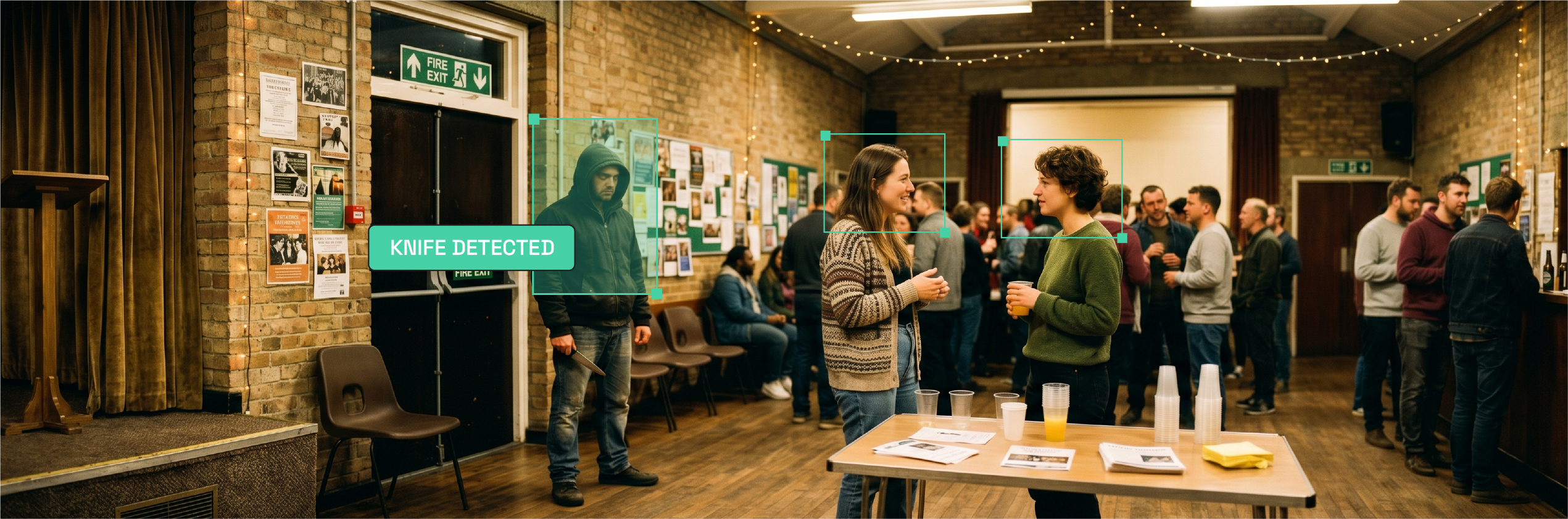
Community centers are not one-size-fits-all environments. A senior center, a youth-focused facility, and a multi-purpose community hub may all serve the same broader mission—connection and support—but the flow of people, patterns of use, and exposure to risk can look completely different. Effective protection has to reflect those differences.
What works for one type of center can leave gaps in another. The key is not just adding more security, but aligning strategy with how each space actually operates day to day.
- Youth & After-School Community Centers
These spaces require heightened visibility during peak transition hours, when children are arriving and leaving in large groups. The most effective approach includes controlled entry points, designated staff oversight during arrivals, and clear protocols for identifying unfamiliar individuals. Because of the high-energy environment, behavioral awareness is especially important—spotting unusual presence, repeated entry attempts, or individuals lingering without purpose. - Senior & Multi-Generational Centers
These environments are often slower-paced but more predictable in routine, which can make unfamiliar activity easier to detect—but also more impactful if missed. Strong visitor awareness systems are key, along with consistent entry monitoring and staff familiarity with regular attendees. Since many visitors may require assistance or extended interaction, security needs to be subtle but consistent, ensuring safety without disrupting accessibility. - Cultural & Faith-Based Community Centers
These centers often host large gatherings, events, and open community programming. That openness creates both strength and vulnerability. Security strategies here should focus on layered awareness: monitoring attendance patterns, understanding event schedules in advance, and ensuring visibility during high-density gatherings. Because access is often intentionally open, early detection of unusual behavior becomes the most critical layer. - Multi-Purpose Municipal Community Centers
These are the most complex environments, often combining recreation, education, meetings, and public services under one roof. Risk varies throughout the day, which makes consistency of oversight essential. The best approach is a centralized awareness model—clear entry management, coordinated staff communication, and the ability to detect anomalies across different activities happening simultaneously.
Ultimately, the most effective security strategy for any community center is not based on restriction—it’s based on understanding. When each environment is mapped to its real-world behavior patterns, protection becomes proactive rather than reactive, and safety becomes integrated into how the space naturally operates.