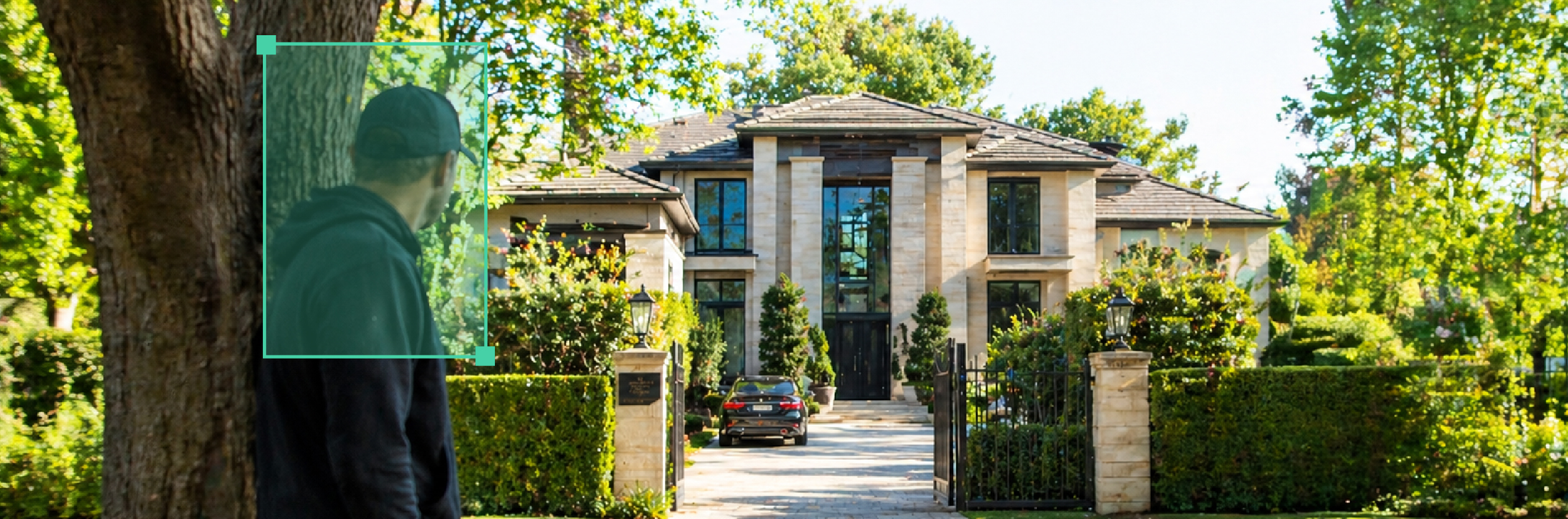
As threats increasingly extend into residential environments, the nature of personal security is changing. High-profile individuals and executives are no longer only securing offices and public-facing locations—they are now investing heavily in protecting private residences as well.
In some cases, home security systems now mirror corporate-grade protection strategies, with multimillion-dollar investments in surveillance, access control, and on-site personnel. This shift reflects a broader recognition that residential spaces are now part of the primary threat surface.
A key driver of this change is the rise of “hybrid threats”—where digital activity is used to enable physical targeting. Online surveillance, data leaks, social media tracking, and identity exposure can all contribute to building a profile of someone’s home environment, routines, and vulnerabilities.
Security professionals have noted that these risks are no longer confined to corporate offices or government buildings. The perimeter has expanded. As a result, protecting the home now requires thinking beyond physical barriers alone.
The convergence of digital intelligence and physical targeting has fundamentally changed how residential security is approached—forcing a shift from static protection to continuous awareness.