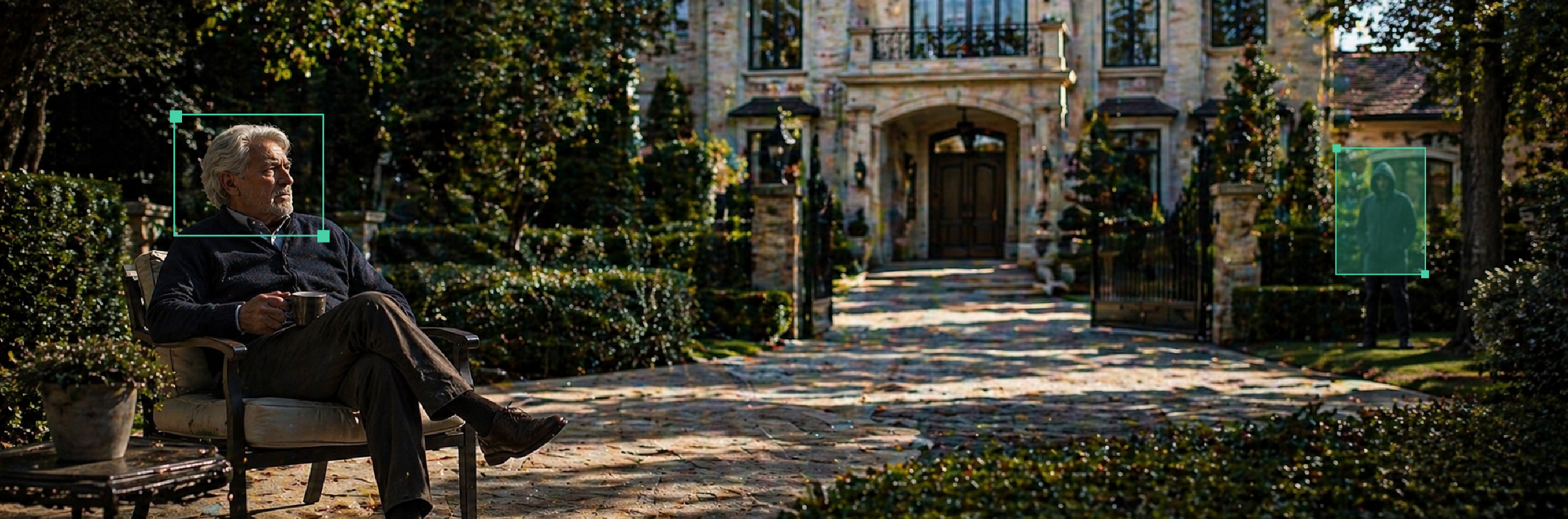
For many executives, the home has become the most unpredictable security environment they face.
Unlike corporate offices, which are typically protected by layered systems and controlled access, residences are inherently exposed. Daily routines are more visible, access points are fewer, and predictability is higher. This makes homes a focal point for targeted threats ranging from harassment and surveillance to direct intrusion attempts.
A growing driver behind this shift is the rise in anti-corporate sentiment. Executives are increasingly viewed not just as private individuals, but as symbolic representations of larger institutions. That perception can elevate personal risk, particularly in environments where frustration toward corporations, healthcare systems, or large-scale industry decisions becomes individualized.
This dynamic was underscored by the killing of UnitedHealthcare CEO Brian Thompson in December 2024 in New York City. The suspect, Luigi Mangione, is currently facing trial. The case became a reference point in security discussions around how corporate leadership can become a direct target of ideologically or emotionally motivated violence, extending risk beyond the workplace and into personal life.
The concern is not limited to physical breaches. Increasingly, executives are aware that their personal lives can be mapped through digital exposure—social media, data leaks, and online activity that can unintentionally reveal location patterns or household details.
As a result, residential security has become a central part of executive protection strategy. For many leaders, staying safe at home now requires the same level of planning once reserved for offices, travel, and public appearances.
The shift reflects a broader reality: threats no longer stop at the workplace—they follow individuals into their private environments.