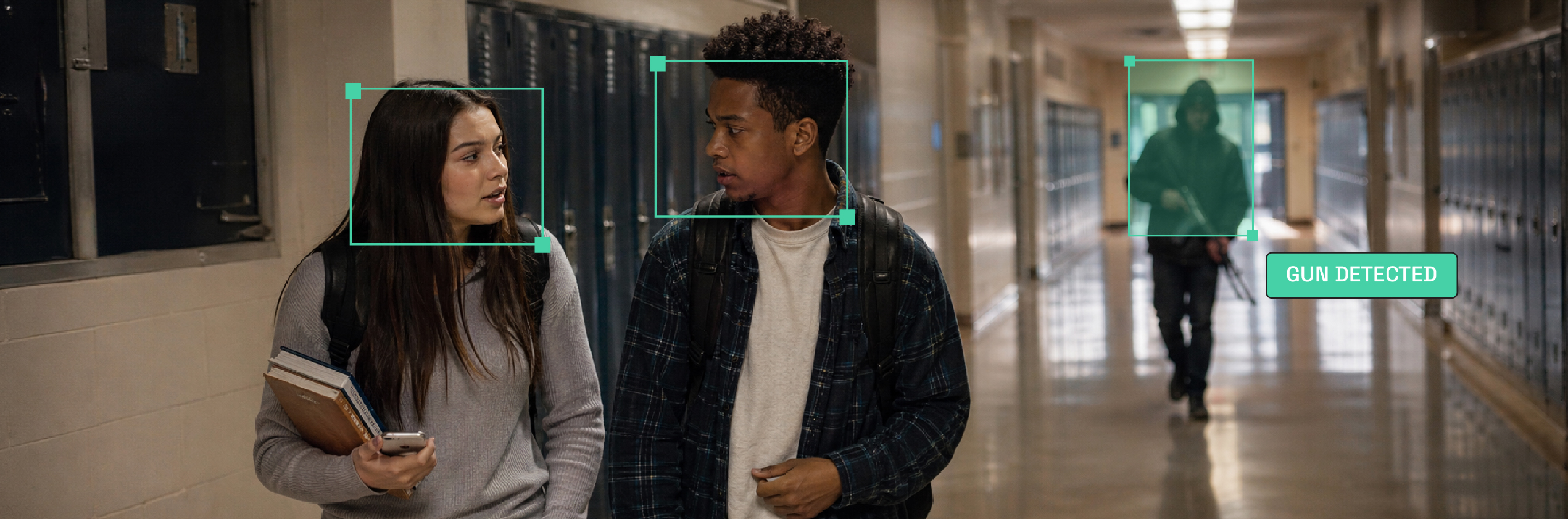
There have been at least 21 school shootings in the United States so far this year, as of April 14. Eight occurred on college campuses, and 13 took place on K–12 school grounds. The incidents left at least 13 people dead and 15 others injured, based on aggregated reporting from the Gun Violence Archive, Education Week, and Everytown for Gun Safety.
Reported incidents are typically verified against school statements, police reports, and media coverage. An event is included if it occurs on school property—from kindergarten through universities—and involves at least one person being shot (excluding the shooter). School property includes classrooms, fields, parking lots, stadiums, and buses. Accidental discharges are included if they result in injury, unless the only person shot is a law enforcement officer or school security officer.
The broader trend shows a sustained increase in school-based shootings following the COVID-19 shutdown period. During the first year of the pandemic, when schools were closed, incidents dropped significantly. However, in the years since, shootings have risen sharply, with 2021, 2022, 2023, and 2024 all recording record-high levels since at least 2008.
Key Data Trends (2008–2025)
- 2023–2024: At least 83 total incidents across both years combined
- 2022: One of the deadliest years, with 48 fatalities, including the Uvalde, Texas shooting at Robb Elementary School, where 19 students and 2 educators were killed
- 2025: At least 78 school shootings, resulting in 32 deaths and 124 injuries
- Geographic concentration: Texas recorded the highest total number of incidents (at least 70 since 2008), while Washington, D.C., had the highest per-capita rate
- Lowest incidence states: Montana, Wyoming, New Hampshire, and Vermont reported no school shootings in the same period
Recent milestone: The December 13, 202,5 shooting at Brown University marked Rhode Island’s first recorded school shooting since tracking began in 2008