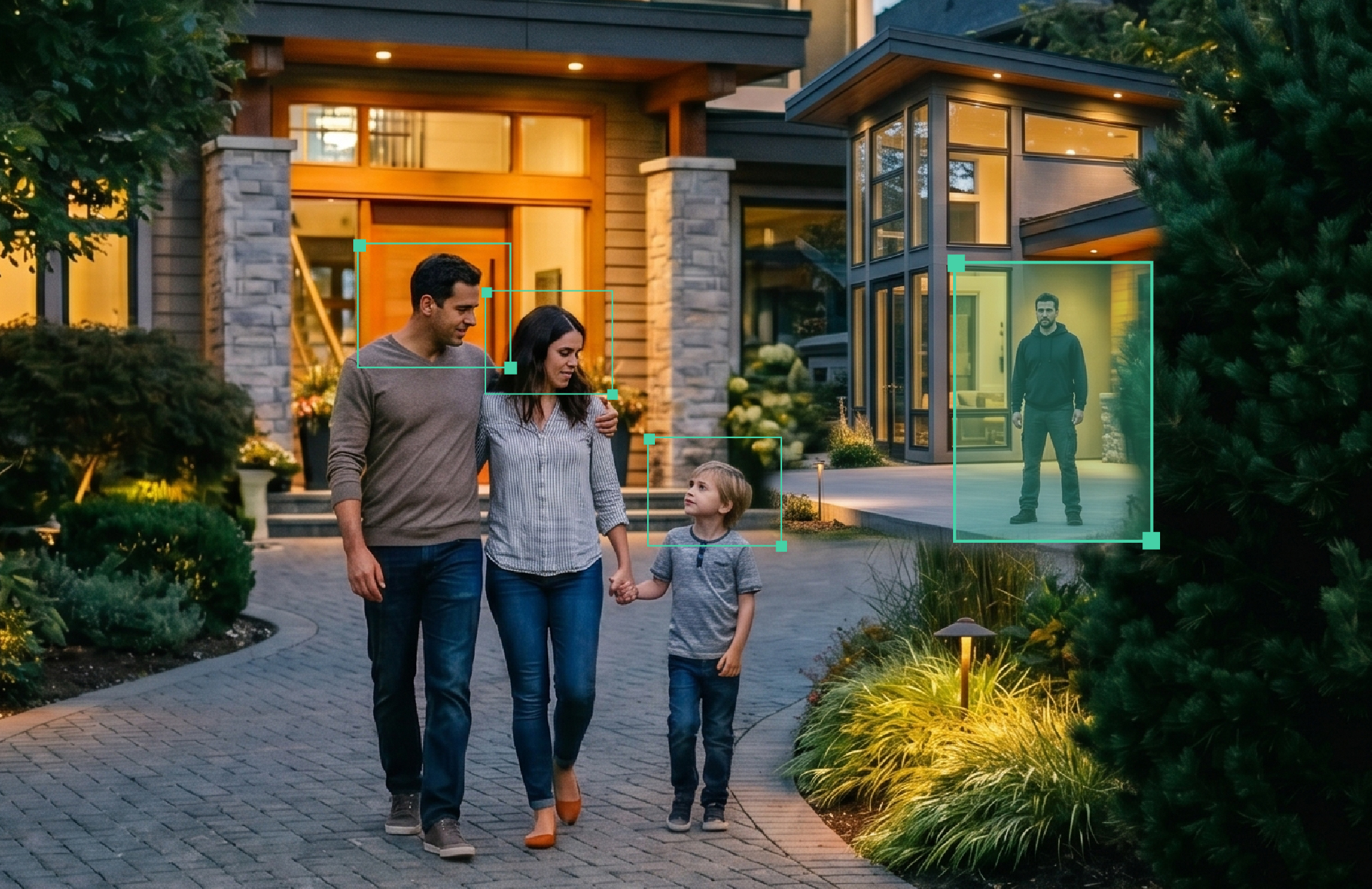
In 2025, attacks on private residences have increasingly shifted toward targeted violence involving high-profile executives, political figures, and individuals connected to public-facing organizations. Security reports indicate a sharp rise in harassment, swatting, and physical intrusion attempts at private homes, with 95 cases targeting executives reported in the first 10 months of the year alone.
Unlike traditional crime patterns, many of these incidents are not opportunistic—they are directed. Homes are being used as primary targets in order to bypass corporate security layers and strike individuals in unprotected environments.
Several high-profile cases illustrate this shift. In April 2026, a man was charged after allegedly attempting to kill OpenAI CEO Sam Altman by throwing a Molotov cocktail at the executive’s residence in San Francisco. Earlier in 2025, the Pennsylvania Governor Josh Shapiro’s residence was breached and set on fire while the family was inside, highlighting how even secured government-linked properties are not immune to residential targeting.
At the same time, broader digital exposure has amplified risk. Data breaches in 2025 have resulted in the leakage of personal information, including emails and identifying details, increasing the potential for doxing and enabling threat actors to locate or monitor private residences more easily.
Together, these incidents reflect a clear pattern: the home is no longer outside the threat landscape—it has become part of it.
Once integration is complete, we focus on deploying AI models at scale with precision and security. Our deployment strategies are designed for flexibility, whether on cloud, on-premises, or hybrid environments. We provide continuous monitoring, performance optimization, and maintenance to ensure that your AI systems adapt and evolve along with your business goals, delivering long-term value and a sustainable competitive edge.