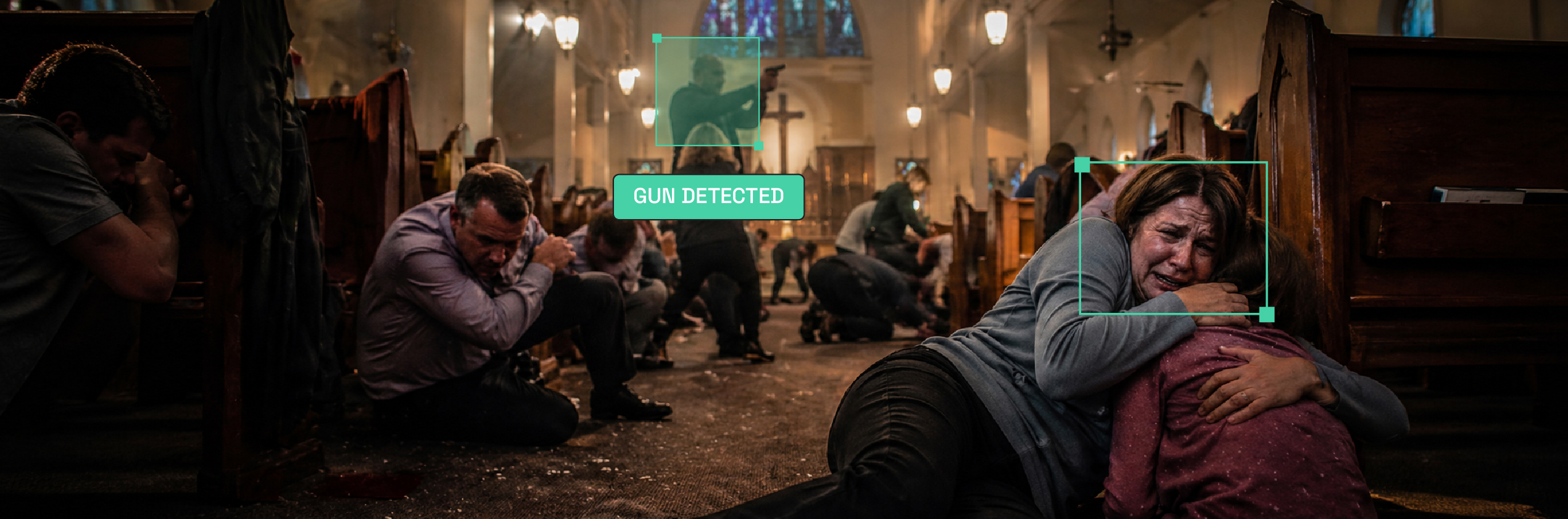
On August 27, 2025, a gunman opened fire during Mass at the Church of the Annunciation in Minneapolis, killing two children and injuring more than a dozen others. The attacker later died from a self-inflicted gunshot wound.
What made this case especially troubling was who the attacker was. He was a former student of the parish’s school—someone familiar with the building, the routines, and the people inside. In the days leading up to the attack, investigators uncovered online content, violent ideation, and signs of planning, including materials that suggested premeditation.
This is what modern threats look like. They are rarely random. They develop over time—through online behavior, research, and escalating intent. The signals often exist, but they are fragmented and easy to miss without systems designed to detect and connect them.
The takeaway is clear: the risk isn’t just the attack itself, but the lead-up to it. In many cases, there is a window where intervention is possible. The difference is whether those warning signs are seen in time —or overlooked entirely.